

Awareness, Mental health 5 Ways To Support Someone with Depression Awareness, Mental health 5 Ways To Support Someone with Depression Awareness, Mental health 5 Ways To Support Someone with Depression Awareness, Mental health 5 Ways To Support Someone with Depression Awareness, Mental health 5 Ways To Support Someone with Depression Awareness, Mental health 5 Ways […]
MHFA Albania
March 15, 2026

Erinda Shah is a mental health professional and thought leader working to improve awareness and access to mental health support in India.
Here are five ways you can actually help someone who is struggling.

Most people don’t need advice first. They need to feel heard.
Sit with them. Listen fully. Let silence exist without rushing to fill it.
What to do:
Why it matters:
Feeling understood reduces emotional isolation. That alone can ease the weight they are carrying.
Big changes feel impossible during depression. Small steps feel doable.
Focus on simple actions instead of major goals.
What to do:
Why it matters:
Small wins build momentum. They slowly rebuild energy and confidence.

Depression often makes people withdraw. That doesn’t mean they don’t need you.
Consistency builds trust.
What to do:
Why it matters:
Knowing someone hasn’t given up on them creates emotional safety.
You cannot replace professional help. But you can guide them toward it.
What to do:
Why it matters:
Professional support gives them tools that friends and family cannot provide.

Supporting someone can be emotionally heavy. You need strength to stay present.
What to do:
Why it matters:
You can support others better when you are not drained yourself.
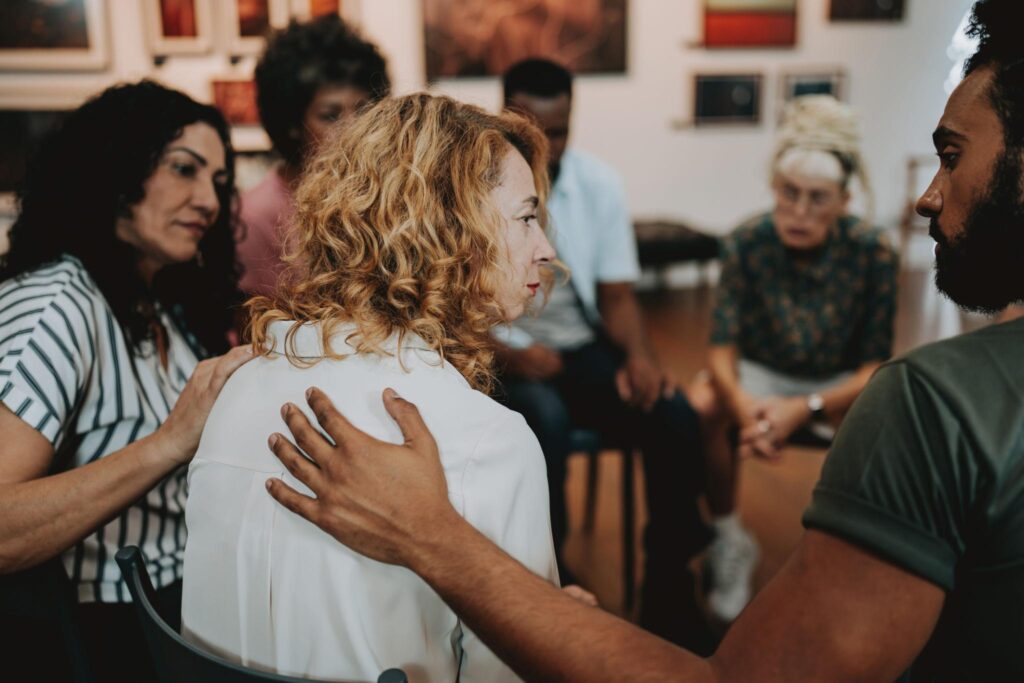
You don’t need perfect words. You don’t need to fix their life.
Your presence, patience, and consistency matter more than anything else.
If you show up with care, again and again, you become a steady place in a time when everything feels uncertain.
Get short, useful insights on how to support yourself and the people around you. No jargon. No overwhelm. Just real guidance you can use in everyday life.
What you’ll get:
Join a growing community that believes mental health should be understood, not ignored.
Enter your email and start receiving content that makes a difference.
Become an MHFA Instructor and start empowering others with the skills to recognize, respond, and support when it matters most.
Licensed by MHFA International since 2017, Mental Health First Aid India delivers globally recognized training to build mental health awareness and support. Now in Albania, extending this proven approach to empower individuals, workplaces, and communities.



MHFA-Albania © 2026 - All Rights Reserveded by MHFA-India
